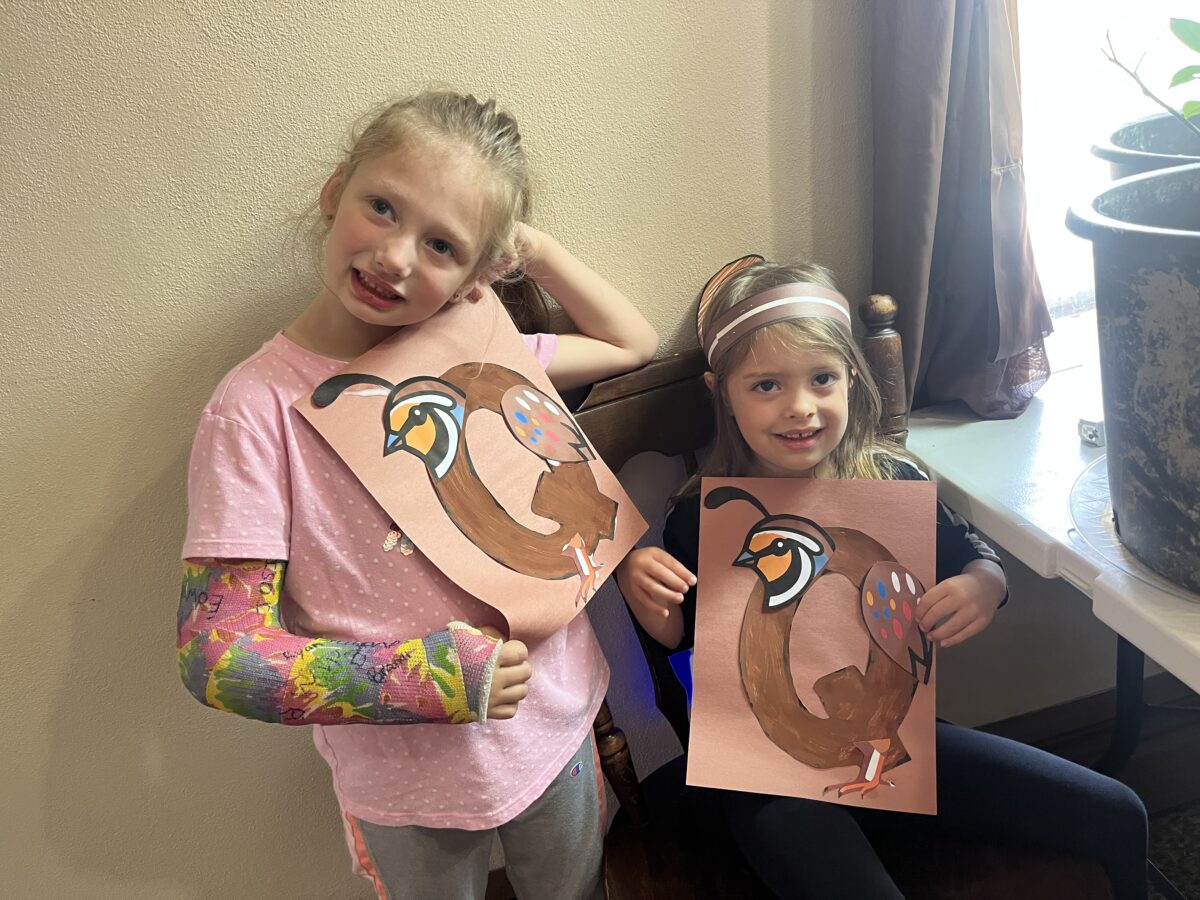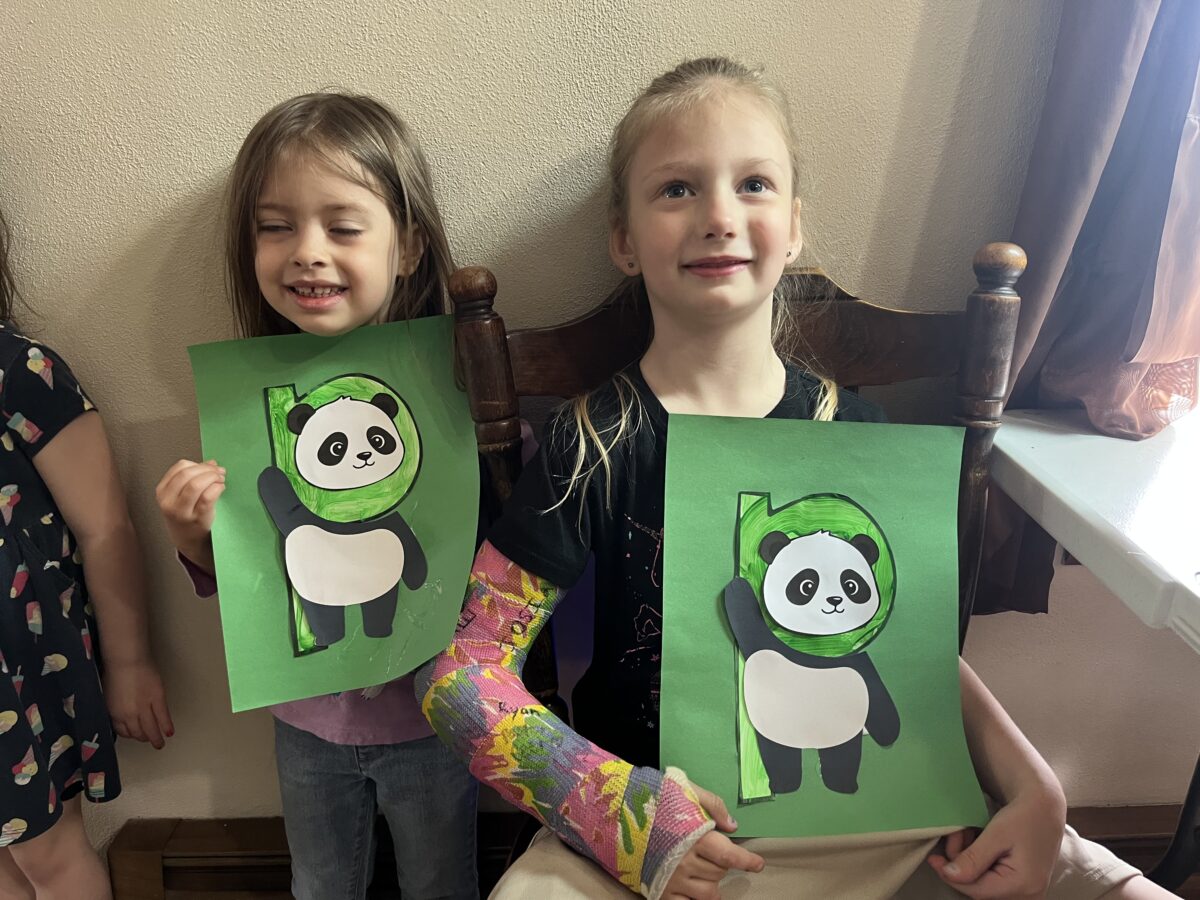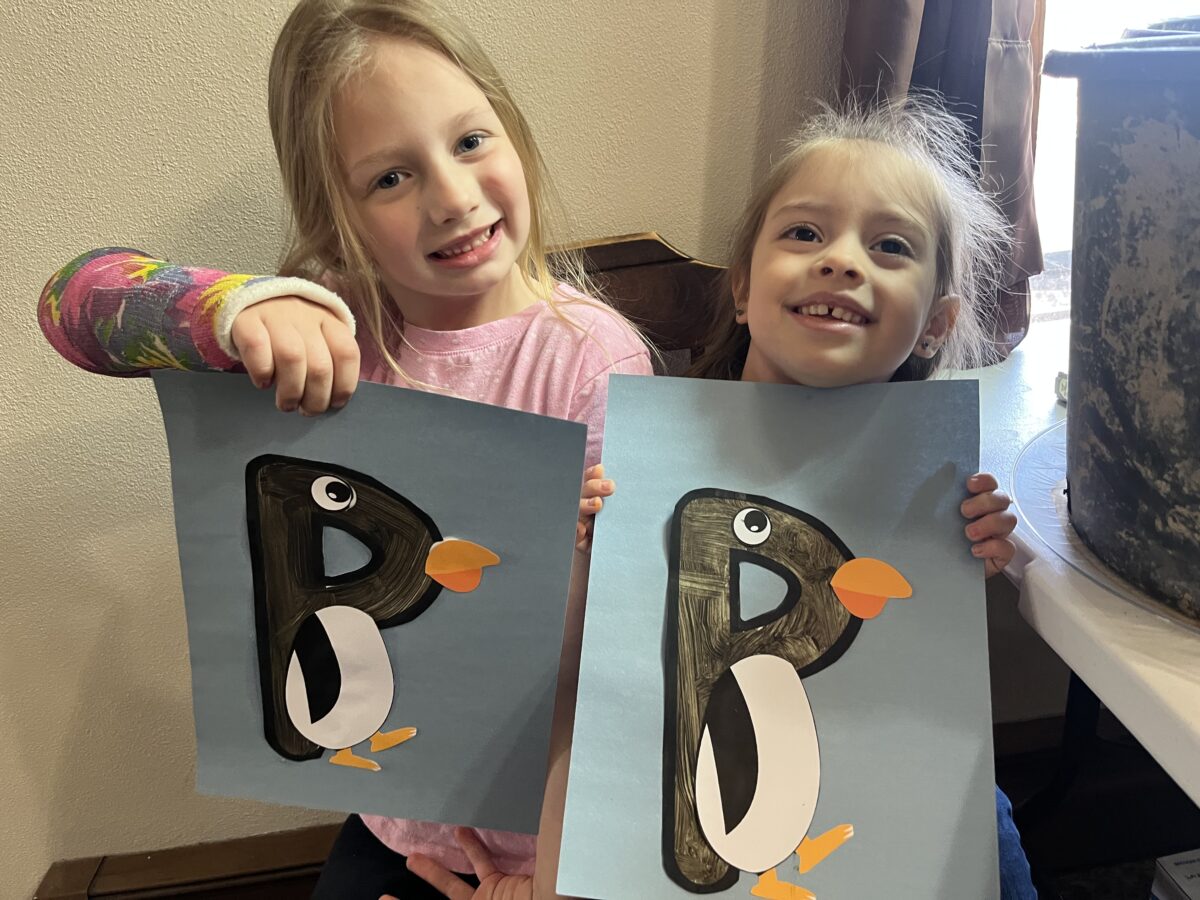
Whenever I start teaching my toddlers their colors, I start with one color and then add another once they have mastered the first one. I keep adding colors while always review the colors that they have mastered. We use videos, books, flashcards, and coloring pages. I keep adding colors until they know red, orange, yellow, green, blue, purple, pink, brown, black, white, and gray.
Colors Songs
Here is my Color YouTube List that we watch when one of my toddlers is learning their colors. The list starts out by teaching each color individually and then has review songs near the bottom of the list. This list has Color Blocks songs, Frog Street songs, and The Good and the Beautiful songs for each color; red, orange, yellow, green, blue, purple, pink, brown, black, white, and gray.
We visited our first national park this weekend. We camped at Indiana Dunes National Park on the southern part of Lake Michigan. The younger girls got a Junior Ranger National Park Passport Book to put their stamps in. They also completed the Indiana Dunes Junior Ranger program and received their Junior Ranger Badges. The older boys enjoyed cooking over a campfire and hiking up the dunes.
We planed our visit to see all of the things that interested us and also the locations that were mentioned in the Indiana Dunes Junior Ranger activity guide. We read and filled out page 3 at home, we found the mission of the National Park Service online. We used this Great Lakes Map to fill out page 4 of the activity guide. On page 6, we looked up some of the Indiana Dunes Animals to figure out what the Potawatomi would have hunted. We had a little trouble on page 10 identifying the animals with their prints, so we got a little help from the big brothers! We talked about page 15 and answered the questions, then we filled out the last page as well, so we wouldn’t have so much to do at the campsite.
We arrived Saturday afternoon and stopped at the Indiana Dunes Visitor Center to pay the $25 for our stay (this pass is good for a week). You can also pick up your Junior Ranger activity guide there if you didn’t print it out ahead of time. After this we went to visit Bailly Homestead and Chellberg Farm near the Visitor Center. Bailly Homestead was under construction when we visited, but we could see the house a bit from the road. You can hike a quarter of a mile between the 2 places as well. After we visited here, we filled out the bottom of page 6 in Junior Ranger activity guide. Next we went to Dunewood Campground to set up our campsite for the weekend (read more about this below).
On Sunday morning we went hiking while it was still cooler out. We decided to hike the 3 Dune Challenge in the State Park at the Nature Center (we learned that we had to pay an additional park fee to enter though). You can read more about our 3 Dune Challenge experience below. As we hiked we tried to use all of our senses, then we filled out the bottom of page 12 in Junior Ranger activity guide. A short distance from the Nature Center we followed the Great Marsh Trail where we saw Bull Frogs and a Great Blue Heron. We were able to complete page 10 in Junior Ranger activity guide after this trail.
Sunday afternoon we wanted to go to the beach for the warmer weather. We tried to visit Dunbar Beach or Lake View Beach because it was closer to the Lake View Pavilion that we needed to visit for page 4 of our Junior Ranger activity guide. Unfortunately, there was no parking anywhere along the beach here, so we had to travel farther to West Beach and try to visit the Lake View Pavilion in the morning. At West Beach we didn’t see everything on page 8 in the Junior Ranger activity guide, but we saw a couple of them. We saw the toad, marsh grass, and Herring Gull; we also saw a tiny dead fish that had washed up on the beach (the girls had fun observing it).
Monday morning we stopped by Lake View Pavilion before heading back to the Indiana Dunes Visitor Center to fill out the last pages (page 10 and 12) of our Junior Ranger activity guide. After the guide was completed, the Park Ranger helped the girls say the Junior Ranger Oath, and then she gave them each a badge. Then they got to stamp their Junior Ranger National Park Passport Books. We also bought a couple of the 3 Dunes Challenge t-shirts in the gift shop.
Dunewood Campground
The only campsite in Indiana Dunes National Park is Dunewood Campground. The girls brought play kitchen toys to use in the sand, and the had a blast getting filthy! The boys brought their cast iron camp skillet to make pancakes for breakfast and quesadillas for dinner (be sure to bring your own firewood). We also had the traditional hotdogs and s’mores! We set up our CAMPROS tent and Kijaro Camping Chairs. The girls liked using our LED lanterns once it got dark.
3 Dunes Challenge
The boys favorite part of the trip with the dune hiking; my 15 year old said that he would like to do it again some time. We wanted to climb The 3 Dune Challenge in the morning while it was still cooler out. The girls enjoyed this too, and discovered that climbing up the sand dunes was easier for them without their shoes on. The rest of us had piles of sand in our tennis shoes by the top of the first dune, except for one of my sons who wore his hiking boots… no sand in those!
The 3 Dune Challenge is a loop if you start at the Nature Center. We just followed Trail 8 until the top of the last dune, then we switched to trail 4. The first dune is Mt. Jackson, 176 feet with a 31 degree slope angle. I really felt it in my calf muscles but it helped to stop about three fourths of the way up for a rest. The next dune was Mt. Holden, 184 feet high with 34 degree slope angle. This one made my hamstrings burn, but again I took a short rest about three fourths up that really helped me. (I saw several families with small children and fantastical mommies with babies riding on their bellies during this hike!) My teenage boys and small girls just went right on up without stopping for rests. The last dune was Mt. Tom. This one had soooooo many stairs! And again, I stopped to rest halfway up. Mt. Tom is 192 feet with a 43 degree slope.
Great Marsh Trail
A short distance from the Nature Center we followed the Great Marsh Trail, which is just about a half hour walk. You can see herons and cranes sometimes, we ended up spotting Bull Frogs and a Great Blue Heron which was amazing.
West Beach on Lake Michigan
The beach was the girls favorite part of the trip, they would have stayed there all day but the boys are usually done with the beach after about an hour. One of the boys didn’t even wear shorts to the beach, so he sat on the towel and dug the deepest hole every… to his elbow! The little girls brought their toy kitchen dishes to the beach and kept collecting little white feathers. They also found and tiny dead fish that wash ashore that they observed until I had the boys throw it back.
This month my 4 year was learning how to mix colors. We used books and Colors Worksheets Preschool (Learn to spell 11 Colors) Color Mixing Activities from Teachers Pay Teachers. First I taught her the primary colors; red, yellow, and blue. Then we read the books over and over and she learned how to mix red and yellow to make orange, yellow and blue to make green, and blue and red to make purple.
First we drew a monster outline on a large piece of paper and placed the paper inside a cookie tray. Then we dropped some red and blue paint on the paper and added a few marbles to the cookie tray. She moved the tray back and forth to have the marbles move through the paint and mix the colors. We did another monster with red and yellow paint drops and a third one with blue and yellow paint.
Finally she wanted to do one with all three primary colors of paint.
After the paint dried we cut out black paper to look like mouths and eye brows. We also added googly eyes to the monster.
She loved this book and asked to read it every night for a while.
The Dot
We read The Dot by Peter H. Reynolds and she make several paintings with all sizes and colors of dots on her easel. She even experimented with mixing paint colors to make new colors of dots.
Painting on her easel is one of her favorite activities.
Today we read Color Dance by Ann Jonas and then tried to mix white with each color and black with each color.
We made 3 circles of each color and then added white paint to each color on the column on the left and added black paint to each color on the column on the right.
Mixing Colored Ice Cubes
I froze red, blue, and yellow water. Then she placed the ice cubes in the jars to mix the colors.
red ice cubes in the first jar
red and yellow in the second jar
yellow in the third jar
yellow and blue in the fourth jar
blue in the fith
and blue with red in the last jar.
Painting with Primary Colored Ice Cubes
I also let her paint with the ice tubes. She could make a rainbow by mixing the primary colors.
You might find some more good ideas for learning toddler colors here:
Storm cut out the strawberry shapes. She told me the name of each shape as she glued it to the Strawberry Patch. The shapes included circle, square, triangle, rectangle, oval, diamond, star, heart, crescent.
Flower Colors Cut & Glue
She cut out the flower colors. She told me the name of each color as she glued it to the Flower Garden. The colors included red, orange, yellow, green, blue, purple, pink, brown, black, white, gray.
The Valentine’s Day Preschool Pack also included many other cut and glue pages that she enjoyed.
Here are a few of the coloring pages from the Valentine’s Day Preschool Pack. These covered shapes, colors, and numbers. There are also some Bible Verse pages too.
Valentine Volcano
This was one of her favorite activities today. We made the volcano in a clear glass heart dish and added glitter. After we made the volcano she played with it for a long time. We got this Valentine Volcano from the Valentine’s Day Preschool Pack too.
Trace & Color Pages
Here are a few of the tracing pages from the Valentine’s Day Preschool Pack. These pages covered the shapes and the numbers.
We had a fun ocean themed lunch at school for our “Anchored” week at school. Each day we found creative ways to incorporate all of the food groups. We also had to keep the calories and sodium counts down to meet the state requirements for serving food to the school children.
We used clear plastic cups for the pudding, jello, and the banana cup. We also offered milk everyday even though it is not pictured.
Monday
Ham & Cheese Sea Monster Sandwich Goldfish Crackers Broccoli Ocean Sprouts Coral Reef Fruit Cocktail Shark Pudding (Gummy Sharks)
Tuesday
Fish Shape Nuggets Barnacle Baked Beans Sea Dragon Punch Blueberry Bubbles Teddy Graham Beach Jello (Umbrella Toothpick)
Wednesday
Peg Leg Chicken Sea Shell Pasta Salad Green Sea Beans Dolphin Banana in Grapes Mermaids Delight Ice Cream (Mermaid Sprinkles)
Thursday
Hot Dog Octopus on Seaweed Spaghetti Crab Leg Carrot Sticks Sea Cucumber Slices Green Sea Turtle Apple
(We added the hotdog bun to get enough whole grain. And we added a banana, because we had extras left from yesterday.)
Friday
Sand Dollar Pancakes Sea Foam Scrambled Eggs Treasure Tater Tots Poseidon’s Red Pepper Sticks Orange Boats
September 19th is International Talk Like a Pirate Day. We made a fun pirate themed lunch for the kids at school. The lunch staff also wore pirate hats and we bought eye patches for the kids.
Sea Shaped Fish Nuggets
Our food supplier doesn’t have fish sticks, but they do have fish nuggets in the shape of sea creatures.
Treasure Map Cheese Sticks
We just used Sharpies to draw a red X on the cheese sticks with black dotted lines for the trail.
We placed blue Jello in the bottom of clear plastic cups and added an orange wedge on the top. Then we added a Pirate Flag to the orange wedge to look like a Pirate ship.
Carrot Stick Planks
We cup up carrot sticks and called them “Carrot Planks”.
Here is our toddler Christian Board Book Library. I usually put a small board book in the kids Easter baskets and I also get them a book each Christmas as well. I have included the books that we have with links to purchase them yourself if you wish.
We read books each night before bed. It is the best time for cuddles and kisses too!
One Foot Two Feet by Felicia Zekauskas was one of my favorite books. It gives the singular and plural of some of the more challenging English words for young children to understand. Goose-Geese, Foot-Feet, etc…
Abeka Numbers Concept Flashcards (card number 3), count the animals on the back of the card and then turn it over to see the corresponding number. Lay the cards with the number side up on the floor in random order. Child will put them in numerical order and then stand next to the number one. Jump to the next number and count and she jumps.
Abeka Numbers Concept Flashcards (card number 4), count the animals on the back of the card and then turn it over to see the corresponding number. Lay the cards with the number side up on the floor in random order. Child will put them in numerical order and then stand next to the number one. Jump to the next number and count and she jumps.
Abeka Numbers Concept Flashcards (card number 5), count the animals on the back of the card and then turn it over to see the corresponding number. Lay the cards with the number side up on the floor in random order. Child will put them in numerical order and then stand next to the number one. Jump to the next number and count and she jumps.
Abeka Numbers Concept Flashcards (card number 6), count the animals on the back of the card and then turn it over to see the corresponding number. Lay the cards with the number side up on the floor in random order. Child will put them in numerical order and then stand next to the number one. Jump to the next number and count and she jumps.
Abeka Numbers Concept Flashcards (card number 7), count the animals on the back of the card and then turn it over to see the corresponding number. Lay the cards with the number side up on the floor in random order. Child will put them in numerical order and then stand next to the number one. Jump to the next number and count and she jumps.
Abeka Numbers Concept Flashcards (card number 8), count the animals on the back of the card and then turn it over to see the corresponding number. Lay the cards with the number side up on the floor in random order. Child will put them in numerical order and then stand next to the number one. Jump to the next number and count and she jumps.
Counting & Soring Shapes & Colors (number 8 page), count the objects and circle the correct number. Also, you can place the numbers on the table and let the child count out shapes to match each number.
Abeka Numbers Concept Flashcards (card number 9), count the animals on the back of the card and then turn it over to see the corresponding number. Lay the cards with the number side up on the floor in random order. Child will put them in numerical order and then stand next to the number one. Jump to the next number and count and she jumps.
Counting & Soring Shapes & Colors (number 9 page), count the objects and circle the correct number. Also, you can place the numbers on the table and let the child count out shapes to match each number.
Abeka Numbers Concept Flashcards (card number 10), count the animals on the back of the card and then turn it over to see the corresponding number. Lay the cards with the number side up on the floor in random order. Child will put them in numerical order and then stand next to the number one. Jump to the next number and count and she jumps.
Counting & Soring Shapes & Colors (number 10 page), count the objects and circle the correct number. Also, you can place the numbers on the table and let the child count out shapes to match each number.
First we read 10 Apples up on Top by Dr. Seuss. Print out the free 10 Apple Stack from Teachers Pay Teachers. Then Storm glued a picture of herself to the bottom of the paper and cut out the apples and glued them in numerical order on top of her head.
I got to teach a “Music Maker Week” at our Summer Camp. I had about 10 kids Kindergarten-5th grade. Each day we did a Body Percussion song, STEM activity, and made an instrument. For younger kids we watched Little Einsteins.
Oobleck comes from the Dr. Seuss book called Batholomew and the Oobleck. It is a non-Newtonian liquid; which means that Oobleck has properties of both liquids and solids. You can look at the mixture sitting there as it appears like a liquid, you can even stick your fingers in it and it will feel like a liquid. You can also grab a handful of it and squeeze it into a ball, then it feels and looks like a solid until it relaxes again.
You need about 2 cups of Corn Starch to 1 cup of water, and then add food coloring for fun.
You can search for “subwoofer test MP3” and download different test tones and play to see what works best. Use 40 Hz, 50 Hz, and 63 Hz, and turn the volume way up.
Place a cookie sheet onto the speaker of a subwoofer, and pour in the Oobleck.
Before you play the MP3 you will need to place your fingers on the edge of the cookie sheet with gentle pressure to hold it flush against the sub.
Turn on the music and watch the Oobleck jump and dance.
You need about plastic tubs of different sizes (we mostly used large ice cream tubs), Just add water and then add food coloring for fun. Put in the freezer for a day or two.
Freeze water colored with food coloringin different-sized food containers and bowls.
When frozen, remove the ice shapes from their molds and place them in a tub (we used a plastic kiddy pool).
Add drumsticks and objects for beating the ice drums.
Day 4: Spin Drum
Homemade Instrument: Spin Drum
Cut the tube into 1 or 2 inch pieces (each child gets 1 pieces)
Take the tube and trace its circumference on the cardboard sheet twice, to make two circles.
Cut out the circles from the cardboard.
Use a sharp object to cut a slot on the side of the cardboard tube ring. The slot should be big enough to insert a straw through it.
Insert a straw through the slot of the tube section. Apply glue to the areas where the straw and the cardboard tube meet to attach them firmly.
Take a long piece of yarn and attach a jingle bell to one end of the strand. Tie a knot to secure the bell.
Use something sharp to poke a hole on each side of the tube. The holes should be on either side of the straw.
Place some tape around the end of the yarn to poke it threw the hole, twist around the straw and poke it though the hole on the opposite side. (the bell should be just long enough to wrap around the drum and hit the drum in the middle)
Pull the yarn through the other side of the roll. Add a jingle bell to this second side. Make a knot to secure the bell and cut off any extra yarn. Try to keep a roughly equal amount of yarn on this side as you have on the other side of the roll.
Glue your cardboard circles to both sides of the ring to close it
Use colored craft papers or paint to decorate the plain cardboard parts of the spin drum. Embellish as you’d like.
You can use the water xylophone to teach kids about pitch.
Fill 6 mason jars or glasses with different levels of water. Each should have slightly more water than the previous one. We added food coloring for fun.
Have your children to use their drumsticks or a spoon to gently tap on the jar.
You should hear different pitch for each jar that is tapped.
This tap creates a vibration sound wave that travel through the water. The sound waves change with different amounts of water in the jar. Higher sounds have less water because the sound waves travel closer together. Lower sounds are in the jars with more water producing a lower sound.